
Our main focus
Composite decks for Seattle backyards
A composite deck lets you spend the dry months enjoying the yard and the wet months not worrying about it. Here's how we plan one, from the boards you walk on to the frame nobody sees.
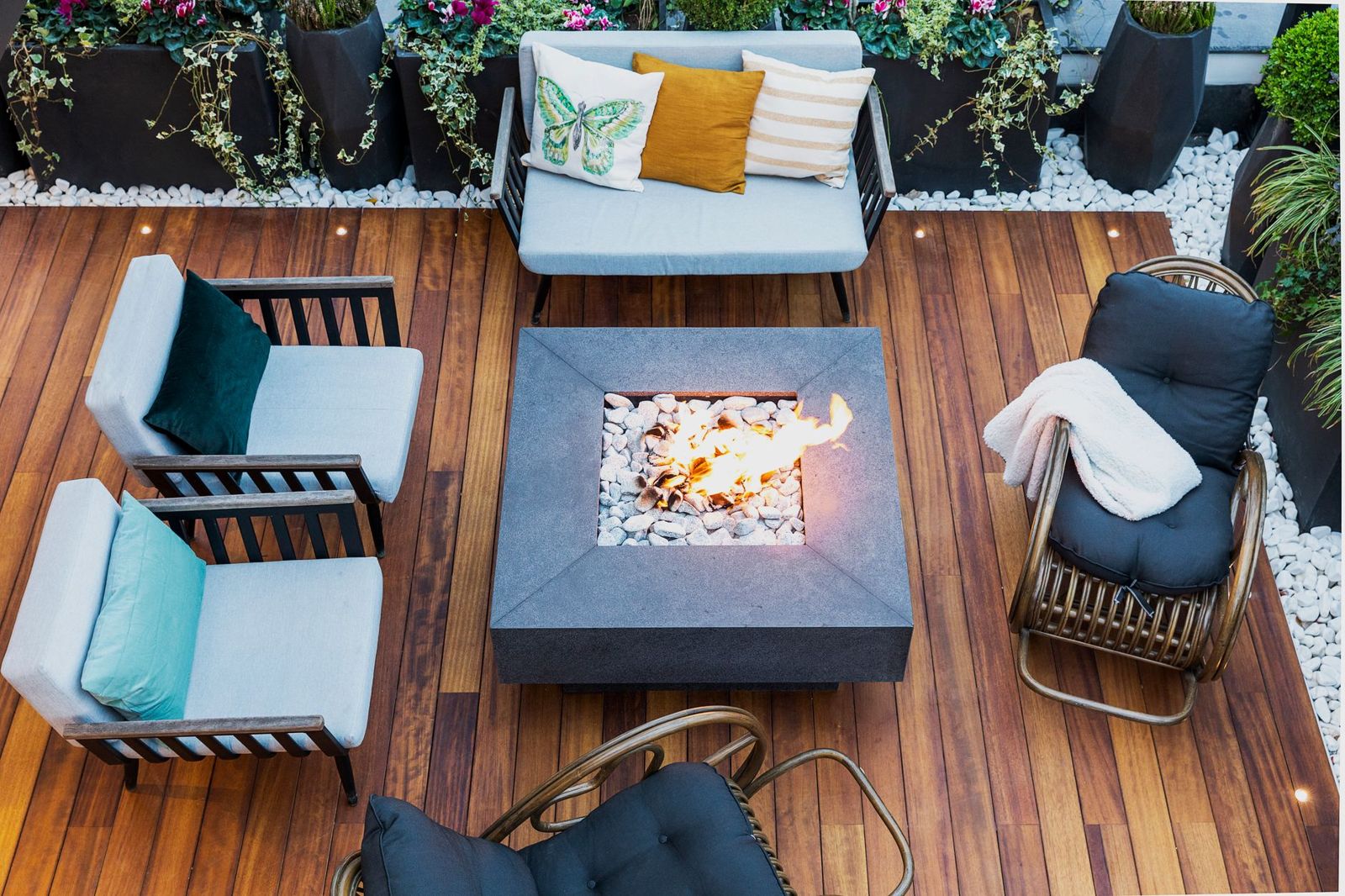
Choosing boards
Capped composite or PVC: what you're really choosing between
Both are low-upkeep and both come in wood-look colors and textures. The differences are about feel, weight and where the deck sits.
Capped composite
A core of wood fibers and plastic wrapped in a tough outer shell. It has a solid, substantial feel underfoot and a grain pattern that reads as wood from a few steps away.
For most Seattle backyards it's the sweet spot between looks, durability and price, which is why we build with it most often.
PVC decking
Made entirely of plastic, with no wood content at all. It's lighter, shrugs off moisture even better, and tends to stay a little cooler in the sun.
It usually costs more. It makes sense for low decks close to damp ground, spots under dripping trees, or anyone who wants the least upkeep possible.
Seeing is better than reading. Ask us to bring board samples to the estimate so you can hold them up against your siding, feel the texture and look at them in your own light.
Layouts
Shape it around how you'll use it
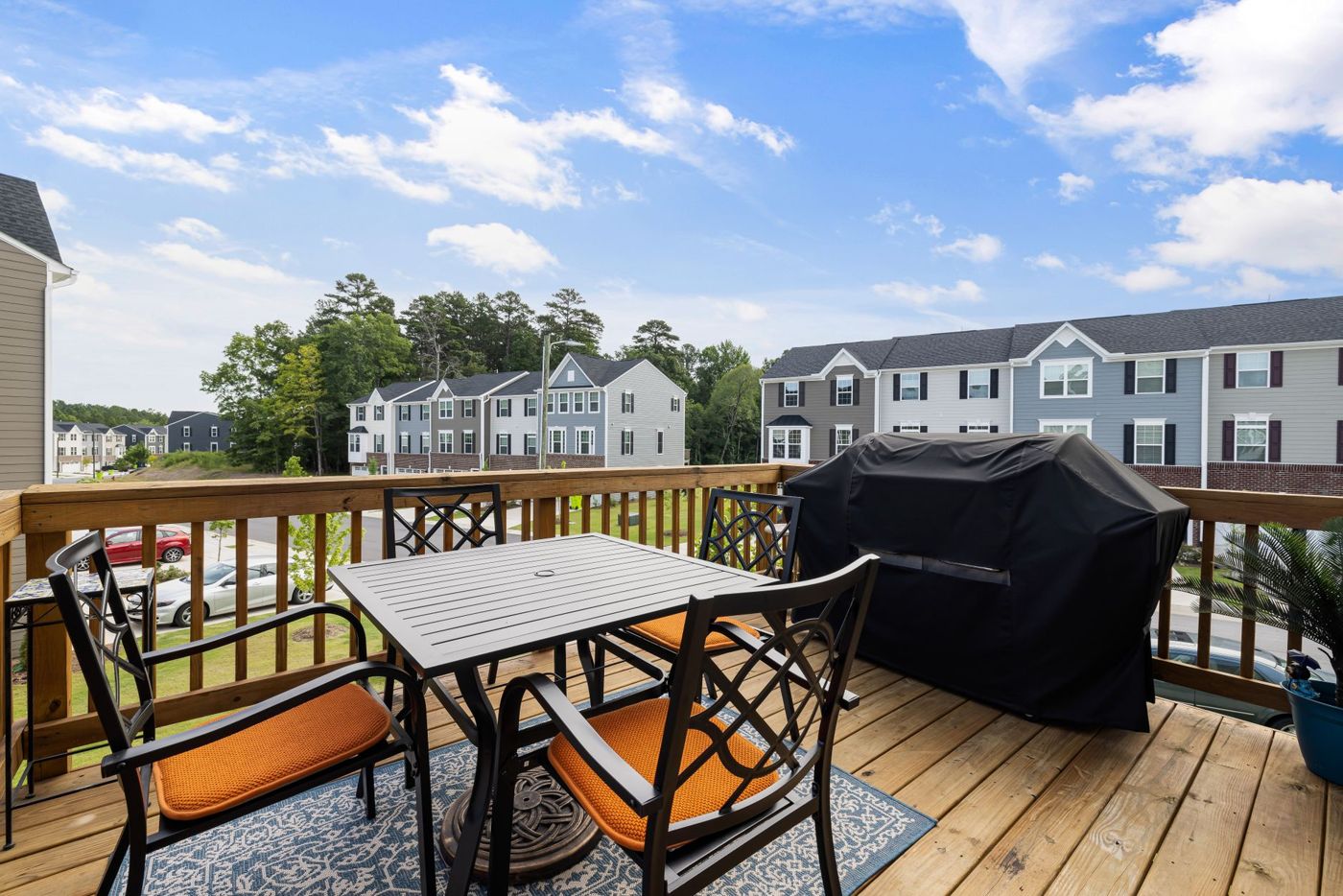
Before we talk materials, we talk about your evenings. Where will the grill go? How many chairs around the table? Do you want sun in the afternoon or shade?
- Low platform decksClose to the ground, easy to step onto from a back door, and often simpler on the permit side.
- Raised and second-story decksGreat for sloped lots and view spots. These need careful framing, footings and railing work.
- Multi-level and wraparoundSeparate zones for cooking and lounging, or a deck that follows the house around a corner.
The details
Railings, stairs and lighting
Railings
Aluminum railing is slim and clean. Cable keeps the view wide open. Composite railing matches the boards for a finished, all-of-a-piece look. We'll help you match the railing to the view and the style of your house.
Stairs & landings
Comfortable steps are all about consistent rise and run, a sturdy handrail and enough landing space at the bottom. Wide stairs can double as extra seating on a party day.
Lighting
Low-voltage lights in stair risers, post caps or the deck surface make evenings safer and cozier. Planning them in early means wires stay hidden.
What's underneath
A great deck starts with the frame nobody sees
Composite boards resist rot, but the posts, beams and joists under them are usually still wood. In our climate, that's where the long-term work happens.
Water has to go somewhere
We space boards so rain drains through, slope ground away from the house where we can, and keep air moving under the deck so the framing can dry between storms.
Protecting the joists
Joist tape over the tops of the framing helps shed water from the spots where fasteners go in. It's a small step that pays off over many wet winters.
Spacing that suits the boards
Composite and PVC need joists set a bit closer than many wood decks, especially for diagonal patterns. We follow the board maker's instructions.
Solid footings
Seattle soil can stay soggy for months. Footings sized and placed for your site keep the deck level year after year.
Upkeep
Living with composite: easy, not zero
Plan on a good wash in spring and fall with a soft brush and mild soap. Sweep off fir needles and wet leaves so they don't sit and stain, and give shady corners an extra rinse where green growth likes to start.
What you skip: sanding, staining and sealing. That's usually the part people are happiest to leave behind.
Good questions
Composite deck questions
Does composite get hot in the summer sun?
Darker boards can get warm on a bright afternoon, and PVC tends to stay a bit cooler than composite. If your deck faces south or west with no shade, a lighter color is worth considering.
Can I put a grill or fire table on a composite deck?
Usually yes, with a grill mat under the grill and clearances from the house and railing. Check the board manufacturer's guidance and your appliance's manual; we'll talk it through for your layout.
Will it fade?
Capped boards resist fading much better than older, uncapped composite, but any material exposed to sun can shift a little in tone over the years. Most people find it settles into a slightly softer version of the original color.
Can you build over my existing concrete patio?
Sometimes. It depends on the patio's condition, drainage and how much height there is below the door. We'll check it during the visit.
How long does a new deck take to build?
It depends on the size, the permit timeline and the weather. Your written estimate will include a realistic schedule for your project.
Related
Keep exploring
Picture your new deck
We'll bring board samples, measure your space and give you a clear written estimate.