
Wood & cedar fences
Wood fences that feel like part of the garden
A good wood fence gives you a quiet backyard, a safe place for the dog and a handsome backdrop for your plants. Below are the fence styles we put in and how each one is set up to handle Seattle's soggy ground.
Styles
Fence styles, and who each one suits
Solid privacy
Boards set tight side by side for a full screen. Ideal next to a patio, a hot tub or a busy street.
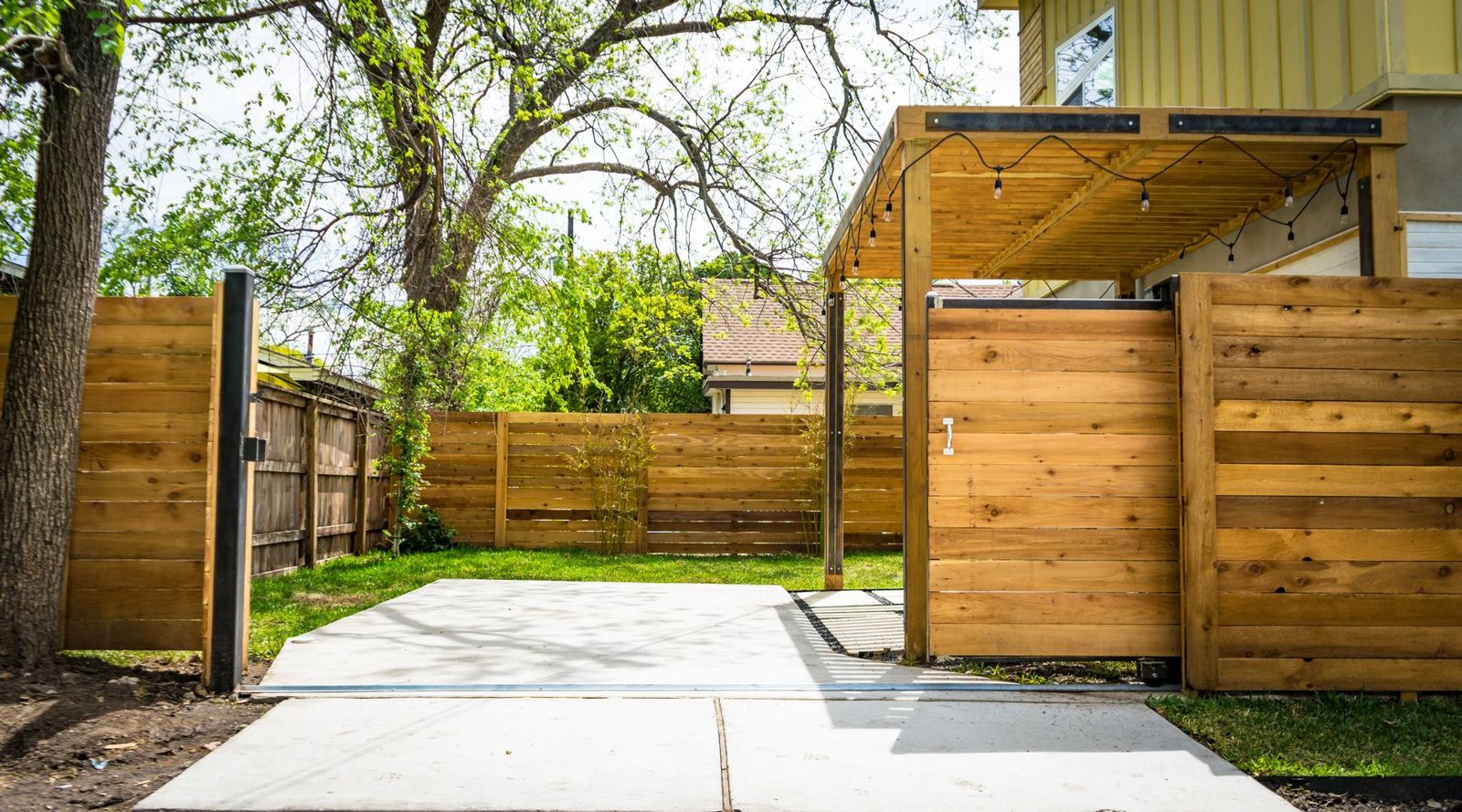
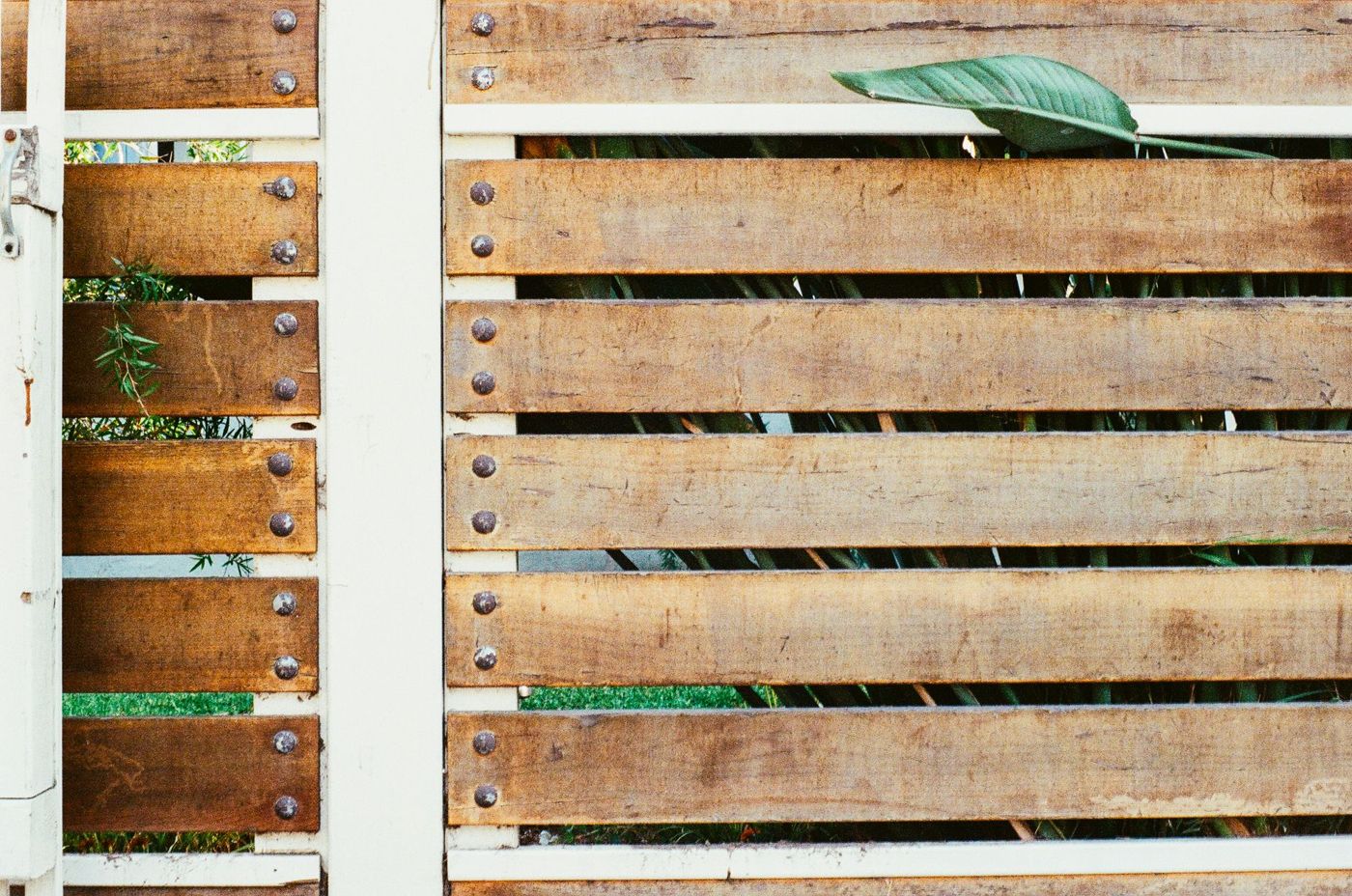
Horizontal slat
Boards run sideways for a clean, modern line. Narrow gaps let a little light and air through.
Good-neighbor
Pickets alternate from one side of the rails to the other, so both yards see the same finished face.
Shadowbox & board-on-board
Overlapping boards on both sides of the rails give privacy from straight on, with breezes still slipping through.
Picket
Low and friendly, great along a front garden. Keeps small dogs in while you still chat over the top.
Matching gates
Walk gates and wider drive gates framed to stay square, with latches your kids can't pop open by accident.
Posts in wet soil
A fence is only as good as its posts
Most wood fences don't fail at the boards. They fail at the base of the posts, where wet soil meets wood for months on end. Around here, that's the part we sweat over.
- Shedding water at ground levelConcrete footings shaped to shed water away from the post, and gravel where drainage is poor.
- Posts rated for ground contactLumber treated for burial, or steel posts hidden behind the wood if you'd like extra longevity.
- Boards kept off the dirtA small gap or a rot board at the bottom so pickets aren't wicking up moisture.
Wood choices
Cedar, treated lumber, or a bit of both
Cedar is the favorite for fence boards around Seattle: it resists decay, stays fairly straight and takes stain nicely. Pressure-treated lumber is sturdy and budget-friendly and is often used for posts and rails even when the boards are cedar.
Left alone, cedar weathers to a soft gray. A penetrating stain or sealer every few years keeps the warmer color and helps the boards shrug off rain. Keeping shrubs trimmed back from the fence lets it dry out between showers, which helps more than people expect.
Building along a property line? Our shared fence guide covers surveys, which side faces out and how to plan with your neighbor.
Good questions
Wood fence questions
How tall can my fence be?
It depends on where you live and where on the lot the fence goes. Front yards, corner lots and sight lines near driveways often have different rules than backyards. We'll help you check the rules with the City of Seattle or King County before any posts go in.
Should I stain a new cedar fence right away?
Many people let new cedar dry for a while first so the stain soaks in evenly. We'll talk through timing and product choices when we hand over the finished fence.
Could you just swap out a few bad sections?
Often, yes. As long as the posts are still solid, replacing damaged sections is a reasonable fix. If several posts are leaning or soft, a new run of fence may make more sense.
Related
Keep exploring
Ready for a fence you'll both like?
We'll walk the line with you, talk styles and heights, and put it all in a clear written estimate.