
Wood decks
Real wood decks in cedar or pressure-treated lumber, built to last in the rain
Nothing feels quite like real wood underfoot. If that's what you want, we'll build it well and be upfront about what it asks of you over the years.
Two good choices
Cedar or pressure-treated?
Western red cedar
A Northwest classic. Cedar is naturally resistant to decay, smells wonderful when it's new, and has a rich color that weathers to a soft silver if you let it.
It's softer than some woods, so it can dent under heavy furniture, and it costs more than pressure-treated lumber.
Pressure-treated lumber
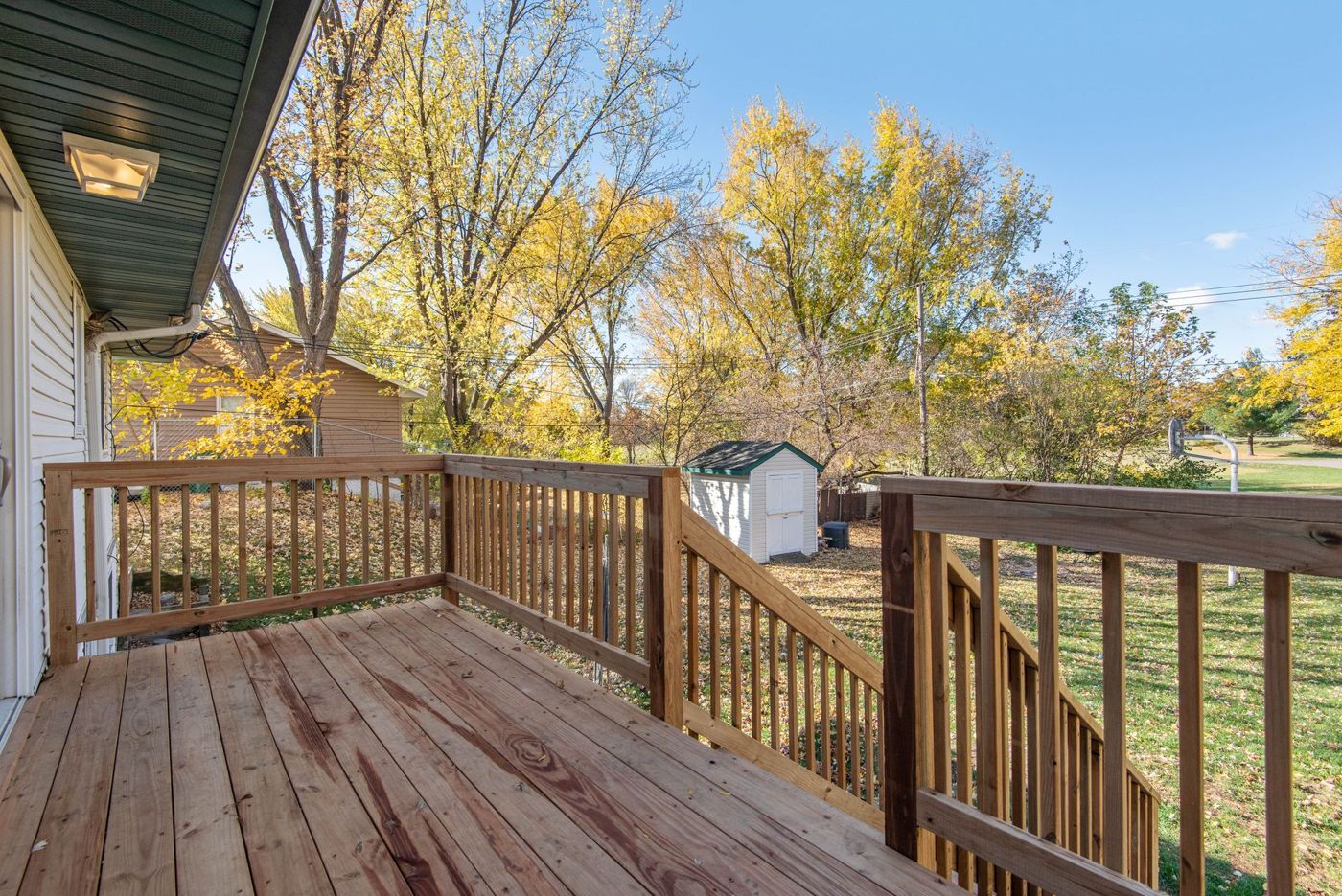
Treated to resist rot and insects, and the most budget-friendly way to build a deck. It's also what most deck frames are made of, composite or not.
It can check and twist as it dries, and it needs regular sealing to look its best.
When wood makes sense
Wood can be the right choice
- You love the lookReal grain, real smell, and a surface that ages with the house.
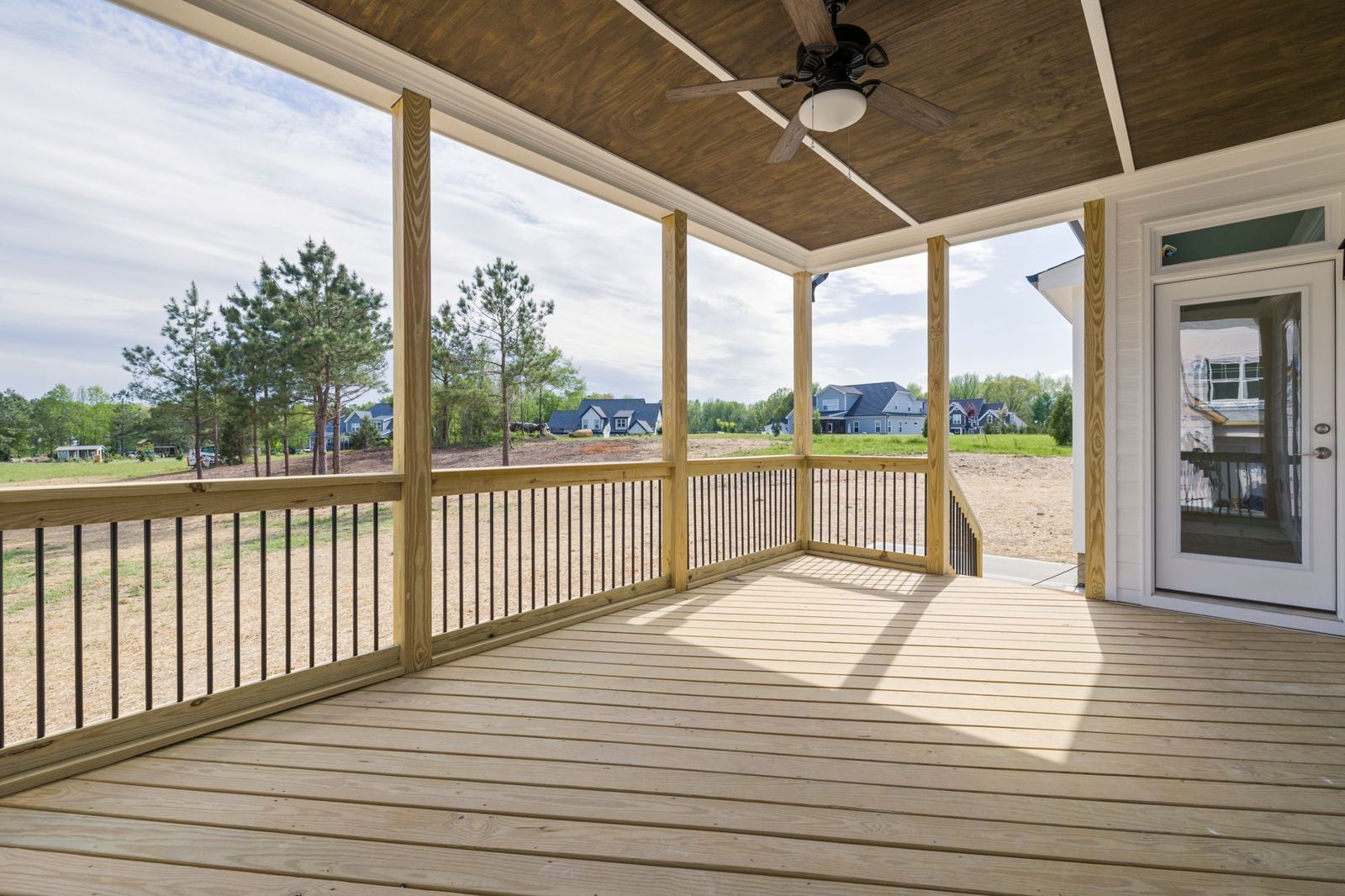
- The deck is coveredUnder a roof, wood stays drier and upkeep drops a lot.
- Budget comes firstPressure-treated decking keeps the up-front cost lower.
- You don't mind a weekend projectSome people genuinely enjoy refreshing their deck every few years.
Upkeep, honestly
What a wood deck asks of you here
In a dry climate a wood deck can go a long time between treatments. Around Puget Sound, months of damp and shade change the picture. Plan on:
- Sweeping off leaves and needles regularly so they don't hold moisture against the boards.
- Cleaning off moss and mildew, especially on the north side of the house and under trees.
- Re-sealing or re-staining every few years, depending on sun exposure and the product you choose.
- Checking for popped nails, loose boards and soft spots each spring.
Keeping up with those small jobs is what separates a wood deck that looks great for years from one that needs repair early. If that list sounds like more than you want, composite decking might suit you better, and we're happy to price both.
Good questions
Wood deck questions
How soon can I stain a new pressure-treated deck?
New treated lumber is often too wet to take stain well right away. Many people wait until the wood has dried out; a simple test is whether water beads up or soaks in. The stain maker's directions are the best guide.
Can I switch to composite boards later?
Often, yes, as long as the frame is still sound and the joist spacing suits composite. That's something to mention at the estimate if you think you might go that way down the road.
Should I let cedar go gray?
That's a matter of taste. Cedar weathers to silver on its own. If you prefer the warm color, a penetrating finish helps keep it, but it needs renewing over time.
Related
Keep exploring
Thinking about a wood deck?
We'll talk through cedar, pressure-treated and composite side by side so you can choose with confidence.